This song was one of the inspirations I used for my current novel-in-progress.
Though honestly, I’m probably the only person who’s going to understand the connection, ha ha.
Inspiration is funny like that.
An author's collection of thoughts and stories
This song was one of the inspirations I used for my current novel-in-progress.
Though honestly, I’m probably the only person who’s going to understand the connection, ha ha.
Inspiration is funny like that.

One of my goals in life is to have an angel statue standing over my grave.


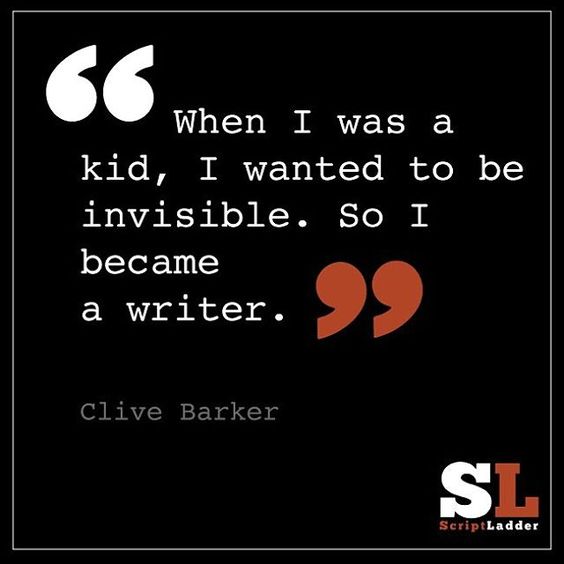
When I was growing up, I wanted to be a recluse.
Which is exactly how I ended up married with children, right? Ha ha!

I’m not going to teach you how to write. Basic grammar is taught in school, and everything else comes with practice and experience. Use your brain and your talent, don’t be afraid to write a few crappy novels before you get the knack of it, and you’ll be fine. Besides, those crappy novels just might become best sellers — you never know these days.
I used to read blogs written by some of my favorite authors. I never cared about their technique, and didn’t visit their blog because I wanted to know how they did it. I wanted to know about them, as a person. Who were they? What were they like? What hobbies and interests did they have? Were they total weirdos like me?
I use my time differently now, so I don’t follow very many blogs anymore. I still have the same interest as before: I want to know about the author behind the stories.
The purpose of my blog is to answer that question for you. This is what I’m like.


I know that I don’t update enough, but hang with me and we’ll have some fun, lol.


I took three months to write the first draft of my current project, then I did something crazy:
I took two months off.
I read a book, worked on my hobbies, caught up on errands. I did lots of non-writing activities.
Because time is an essential component in writing.
Time to let the story simmer, time to get to know the characters better, time to gain more perspective, time to recharge.
As a writer, it’s easy to get too close to the story. It’s easy to skip over simple typos because the words are too familiar, or to be completely oblivious to the fact that actually, yes, that bit of dialogue really is unbelievably corny. Time gives distance to better see what your readers will be seeing.
But time can also be a dangerous thing, and too much time can result in a story that’s never finished. Writers need to learn how to manage it to utilize it properly.
Time is important.



During my first semester in college, someone told me, “Majoring in English is the worst thing a writer can do.” Sure enough, all of my English professors taught us how to write formulaic essays, endlessly analyzing literature, where word count mattered more than style. The other students never thought much about it.
But here’s the thing:
In my high school Creative Writing class, we were required to write stories in different genres for the practice. At the end of the year, after I had already used all of my favorite genres, I decided to write teen pathos for my final project. In just a couple of hours, I had cranked out a short story about a girl running away from home and getting her boyfriend killed in a car crash — it was very human interest-y, and I even laughed at how over-the-top it was while I was writing it. But hey, I needed a story for the grade, and I had already done fantasy.
And everyone thought it was autobiographical.
My mother threw a fit, and my best friend started wailing at me, how could you think such things? It caused quite a bit of drama in my real life, and no one believed me when I told them that it was meaningless.
A few months later when I sat in my college English class and listened to my fellow students analyze literature, I could easily imagine them discussing that story I had written. “A car crash symbolizes the author’s latent destructive desires.” Actually no, car crashes are easy go-tos for killing people, to make the story more melodramatic and pathetic. Not everything is symbolic.
I couldn’t take my peers or professors seriously at all. I started to play a game, to come up with the most absurd interpretations I could — supported with quotes from the text, of course — and my English professors loved and praised me with no inkling of what I was doing. It all just seemed ridiculous.
I dropped out of college entirely after two years. My best education came from the time I spent living in a van and traveling the country. In other words, living.
I understand why I had been told not to major in English. Those classes can teach you how to B.S. your way through formulas, but they can’t teach you how to write with your soul. Often, they are detrimental to that very practice.


I’m working on my second draft for my current novel-in-progress, but I’ve been letting lots of “real life” activities distract me — that’s what happens when Spring rolls around.
Instead of writing, I’ve sandblasted an antique bathtub, hand sewed a cloth doll, and adopted a sun conure (who likes my husband better, ha ha). With all of these other activities going on, I haven’t felt much like curling up with my laptop.
Even now, my seven-month-old kitten is buttering me up for attention. What a busy person I have become!
But eventually the absence from writing starts to wear thin, like an unmet drive that becomes more and more distracting with each passing moment. I confess to feeling cranky for the last couple of days. Too much time has slipped by. I crave my words and characters again.
Soon the drive must be satiated.


BECAUSE THIS:


Err, sort of . . .
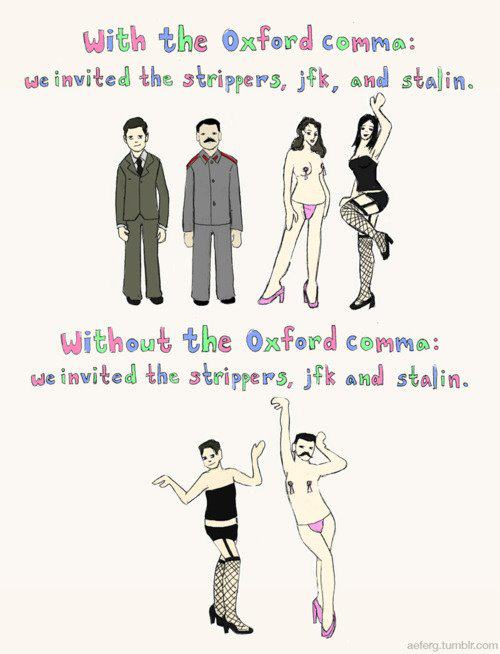
Frankly, this quote frightens me with the prospect that there are people out there who are so boring that they’d only be able to write one book about the life they’ve lived. Couldn’t they at least turn it into a trilogy?
When we’re advised to “write from experience,” we aren’t intended to compose a series of personal anecdotes with stand-in characters for all the people we know. It’s more that if you’ve never been in love, then you probably aren’t going to make a convincing romance author.
Likewise, if you know what it feels like to be betrayed, then you can write a beautiful and heart wrenching portrayal of betrayal.
You never really know how you’re going to react to something until it’s actually happening.
Writers can take their secret thoughts and emotions — the deep and sometimes scary things that are never shared out loud — and transpose them onto different situations and characters. Maybe you’ve never been held hostage at gunpoint, but there was a time when you felt terrified and helpless, and that’s all the foundation you need to write that story.

 By Autumn Rain