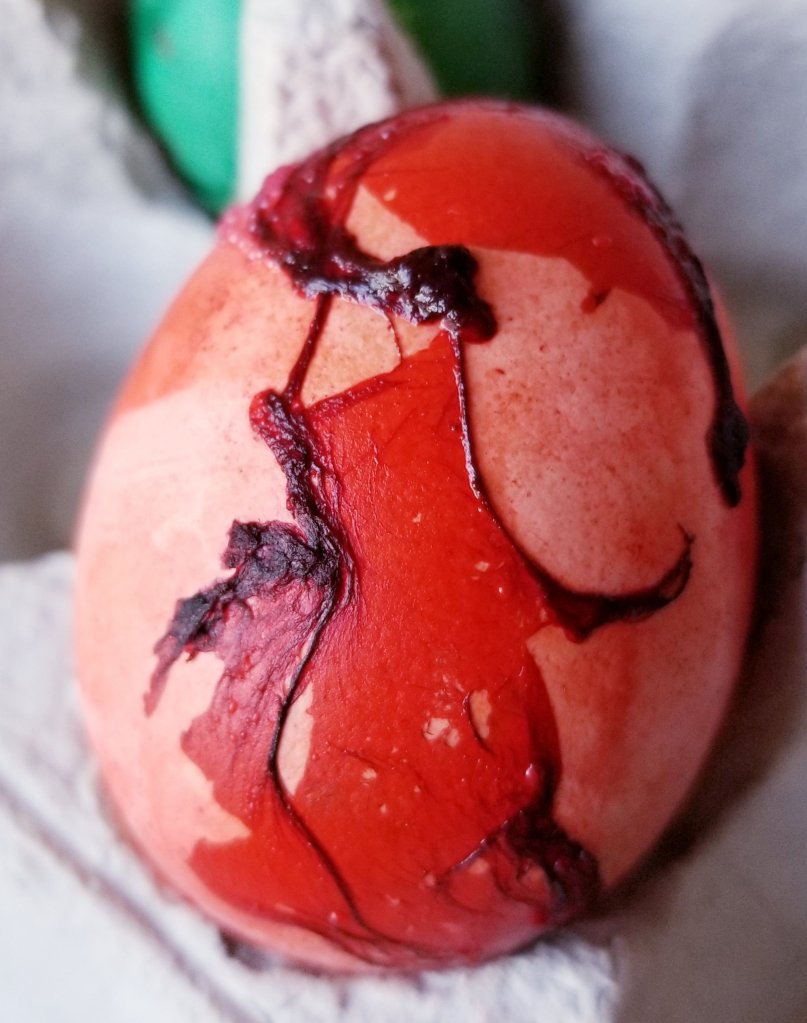
I think this egg is the winner, but no one will claim responsibility for it.
An author's collection of thoughts and stories
I think this egg is the winner, but no one will claim responsibility for it.

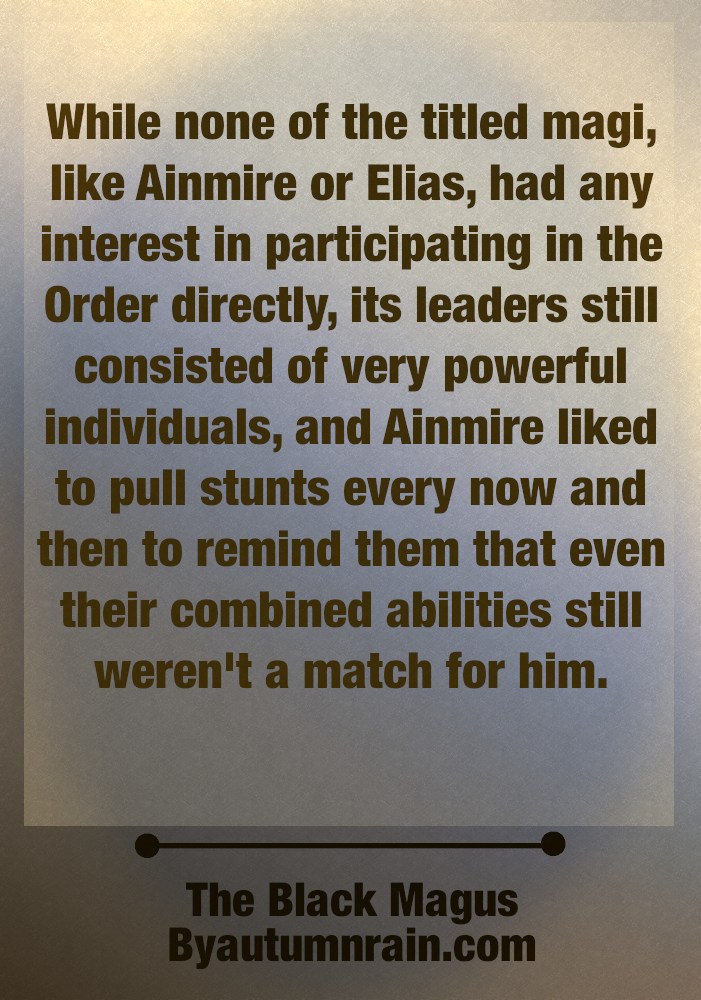




Miranda and the Convict is a series of letters written between Damon and Miranda during his time in prison, and I did something extra fun:
*Trumpeting* DUN DUN DUN DA DU-LAH!
I made custom fonts for their handwriting!
(I get way too nerdy sometimes.)
You have no idea how amazing it is to see my own characters come this alive like this.


I confess, Easter as a pagan is a lot more fun.
We celebrate the goddess Ostara, who reigns over Spring and fertility — hence eggs and rabbits actually make sense for us. At this point, I’m so wrapped up in my own little bubble, I have a hard time remembering that Christians also celebrate Easter; truthfully, I feel put off by all of the death symbolism slathered on a day that’s supposed to honor birth and renewal. But anyway, it’s a fairly big day for us, with baskets, egg hunts, and lots of food.
This holiday also typically falls in between some birthdays, which means that I’m busy baking, sewing, and trying to whip together enough magic to keep the kids dazzled. I love it all, but it sure keeps me busy.
So. Very. Busy.


The entire first draft of Alice and the Warden is now posted.
I plan on keeping it up for awhile, and I’ve also tried to make it easy to navigate through the chapters for anyone who wishes to read it in the future. Yah, I know, doing this isn’t going to earn me any money, but we could all use a distraction every now and then.
So
I’ve got “Miranda and the Convict” coming up (which I’ve been referring to as fan fiction) and I’ve decided to do something fun with it. I’m actually pretty excited about this, and you don’t want to know how much time I’ve put into setting up this little side project.
It’s kind of a big deal for me that I managed to maintain updating AatW for over a year. I’m the sort that’s prone to forgetting which dimension I’m in, so I’m proud of myself for sticking with it, even when I had a baby during last summer. To celebrate, I’m going to be posting even more fiction!
Maybe I’ll convince someone to stop being a lazy bum, and to read a book instead of watching Netflix.

We interrupt our regular scheduled programming to bring you a concept story so dark, I feel morally obligated to give a trigger warning:
Self-harm/suicide attempt


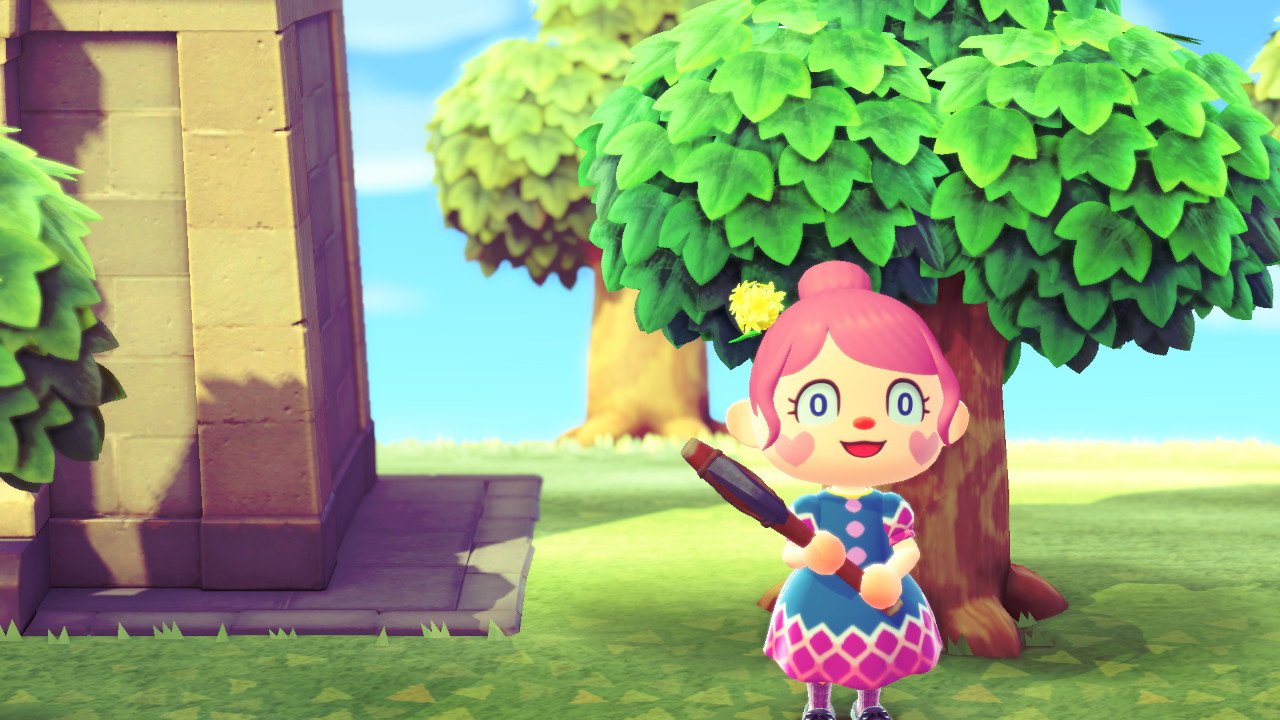
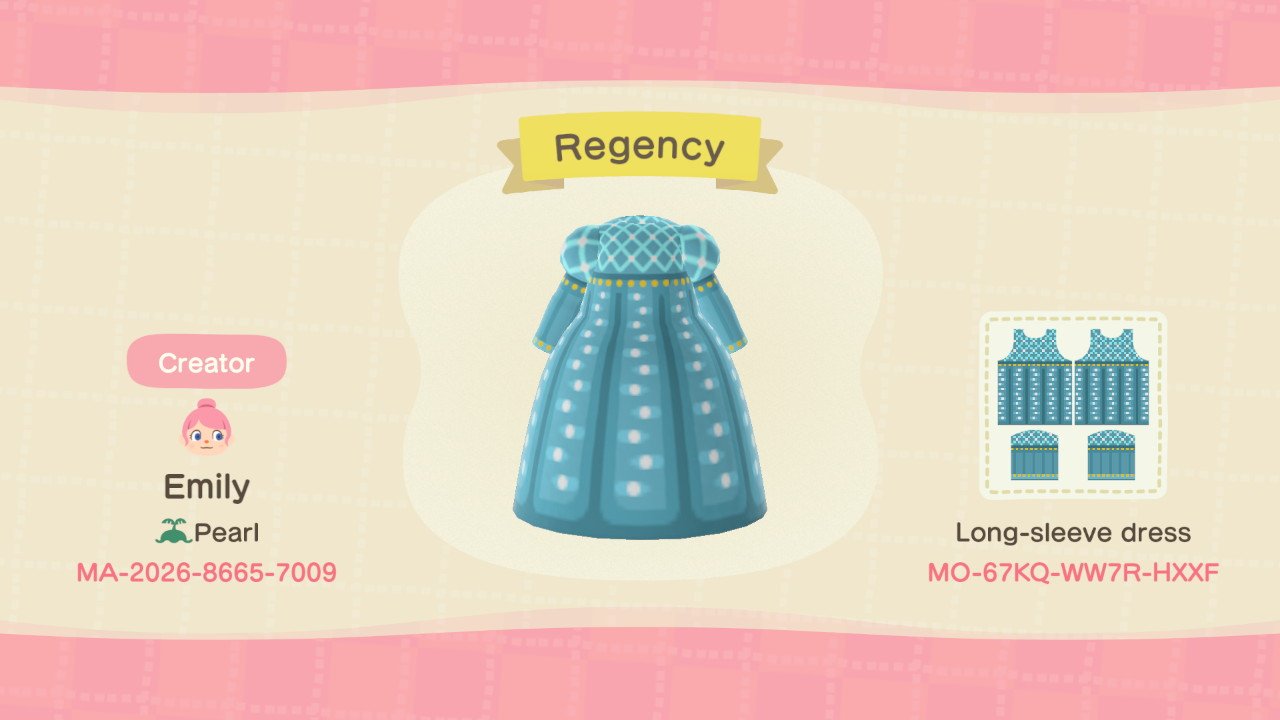
I’ve been an Animal Crossing nerd ever since the first game came out.

And I have figured out how to easily transfer pictures from our Switch to my phone. HAHAHAHA.
I like to do silly screen shots, and a custom design every now and then, so lets have some fun.

Truth be told, this post is more for the anecdote than a crochet pattern…
Once upon a time when I was little, my mom taught me how to crochet hanger covers.

The white was the first one I ever made, and the other was after I had gotten a little bit better at crochet. They originally had pompoms, but those got lost somewhere along the way. Wasn’t I so cute back then? I didn’t have the slightest clue how to control the yarn, lol.
And this is what I can do now:

The funny part is, my mom actually hates making hanger covers. She’s quit for good, and has absolutely no interest in ever picking it back up again. As for me, I love it, through and through. I like how pretty the hangers are, and how clothes don’t slip off of them while I’m rummaging through my closet.
Now, I believe that the wood hangers used to make these are no longer being manufactured. I got mine from ebay, and there are usually a few in thrift stores, but the general consensus is that no one knows where to get them anymore. But hey, with some basic woodworking skills, you could totally corner the market!
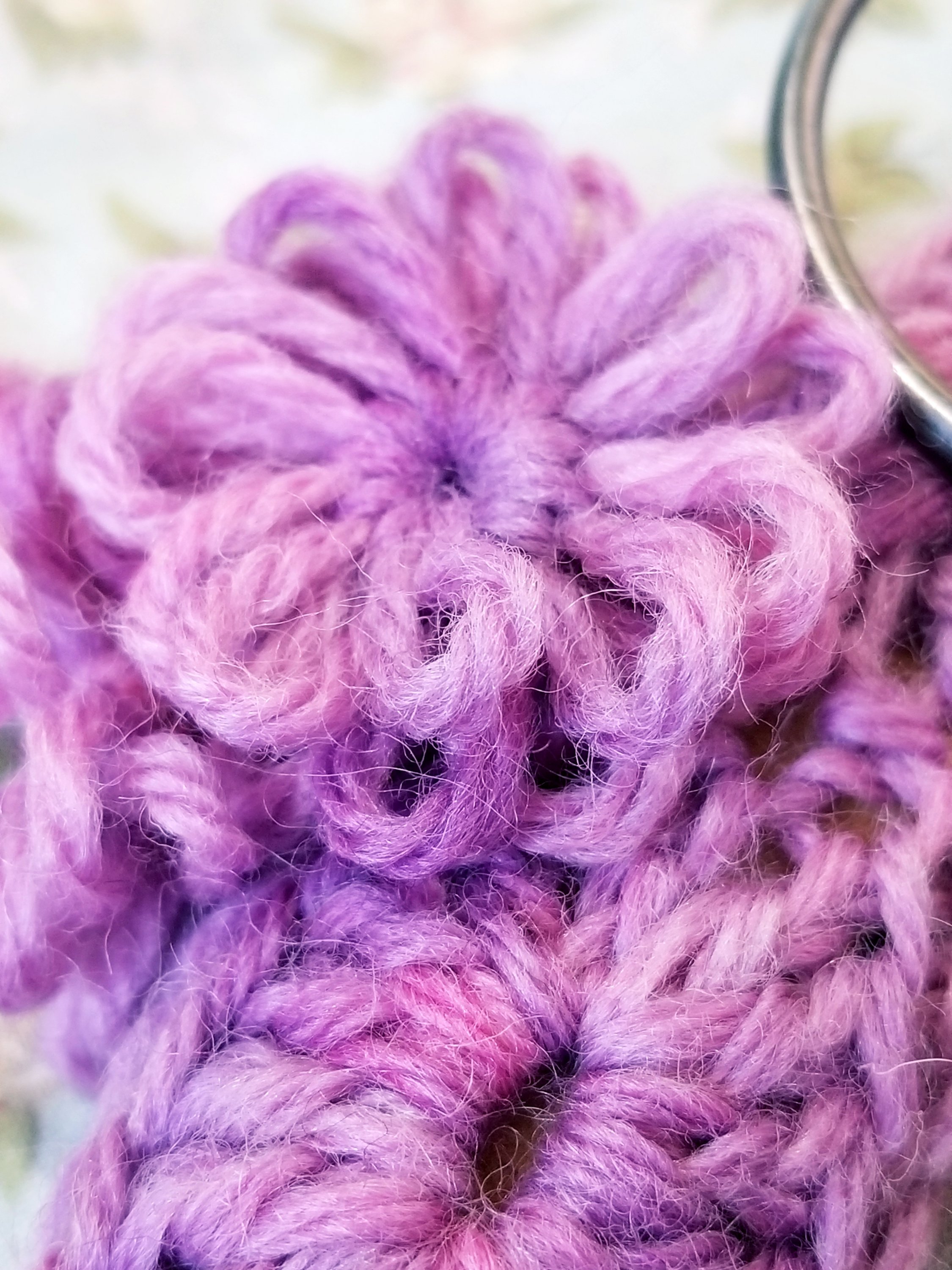
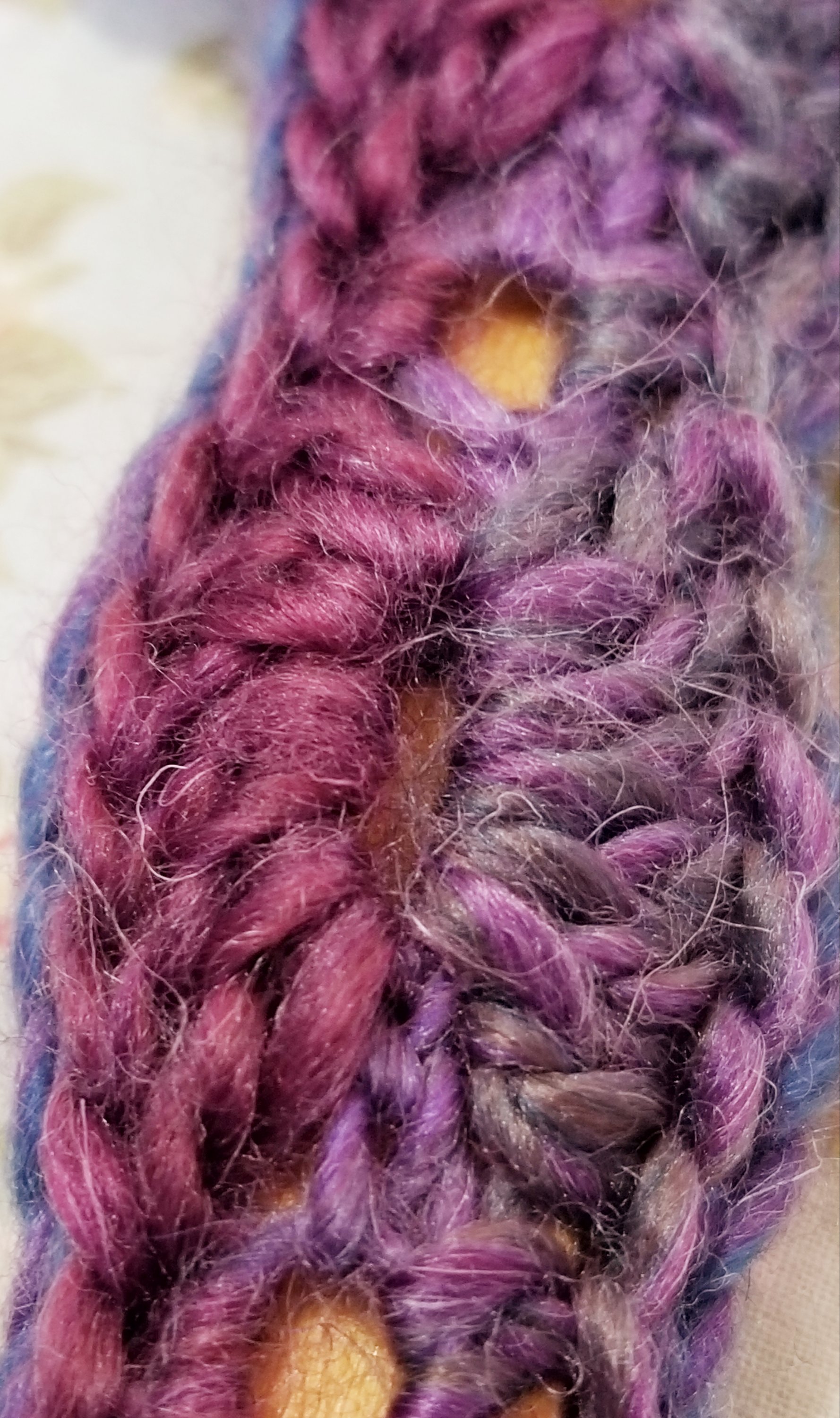
This is the variation of the vintage favorite pattern that’s been passed down through my family:
Size H hook
Worsted weight yarn
Make 2
Ch 58
dc in third chain from hook, 4 dc in same sp (5dc)
*skip 2 ch, sc, skip 2, 6dc* across. In final ch sp, 12dc around to other side. Continue pattern across the bottom, mirroring the top.
In the last space with 5 dc, make 6dc then sl st into top of ch2.
Creates 10 shells total.
Place wrong sides together, and slip stitch the top of the two pieces together. Slide hanger hook in between stitches in the center, then continue slip stitching across the bottom with the hanger inside.
Weave in ends
Decorate!
Pompoms are more traditional, but they also look beautiful with crocheted flowers. Leave tail ends to tie around the hanger hook, then weave them in.

 By Autumn Rain