
An author's collection of thoughts and stories
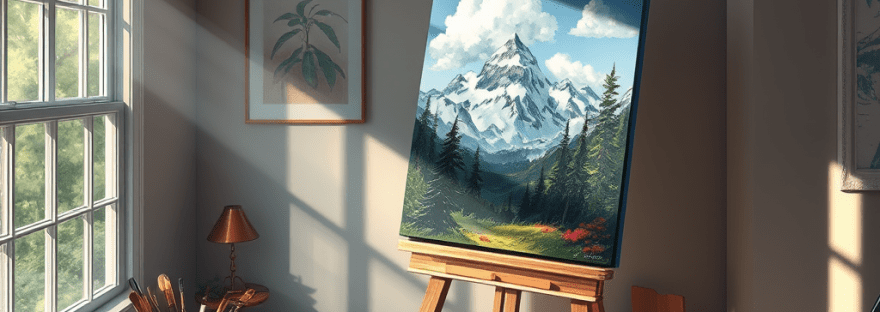
Sometimes I like to turn on Bob Ross to absorb how calm and mellow he is, and I find it relaxing to sit and watch him paint for a bit. Children are highly chaotic entities, so I know how to appreciate the change in pace that comes with everyone sitting together watching a show that we can all enjoy.
It occurred to me that one could also learn how to write from Bob Ross, as long as you think metaphorically.
He doesn’t simply slap down blobs of color and call it done. He blends the paint, adds shadows and highlights, and is mindful of the details. He also doesn’t overwork the paint or try to control every single aspect of the picture, instead working with the textures of the brush strokes and allowing elements to evolve naturally.
And, as everyone knows, “There are no mistakes, only happy accidents.”
A lot of writers stop at the blobs of color phase. They’ll free write whatever passes through their minds then hit ‘publish’ without any more thought about the story. These sorts of writers can produce a lot of content in a short amount of time, but it will all feel unpolished and unsatisfying. Often, when I have tried to explain how these writers have good potential but they need to dedicate more attention to reworking their story, they get upset rather than accepting the advice (even when I’m responding to their request for criticism). So, remember, blobs of color are your foundation, but they are not your finished story. The first draft should not be your last. And no, your blobs of color are not more genius than anyone else’s. They all pretty much look the same.
Others will overwork the story to death. They’ll edit out the spontaneity of adventure, and reduce their characters to props who serve rigid roles, instead of letting them shine as quirky individuals. These writers don’t let the overall picture evolve naturally, and their stories feel formulaic. While they are often well intentioned, they don’t know how to let the story flow on its own.
There are also writers who put in too much detail, and create overly-busy stories with no clear focus. They forget to leave the background in the background. They throw too much information at the reader all at one, or create more characters than there’s room for. They describe the condiments instead of the picnic.
When you are in the process of editing, take a step back and try to visualize the story as a painting. Is there enough detail without being overdone? Did you let elements evolve naturally and follow the flow? Did you flesh out the foreground and leave the background appropriately hazy? Is it something that you would hang on *your* wall? Remember, you can always fix it.
And the next time you watch Bob Ross, just imagine that he’s speaking in metaphor and soak in all of his encouragement.

I did not know I needed this in my life until suddenly here it was.


My husband found The Regiment (published 1987) in a used bookstore back in 2010, and a few days later handed it over to me with the instruction that I *had* to read it. The Regiment is a scifi novel that is deeply philosophical, with a subtle element of spirituality woven in, and it influenced the way I think of every day life. It’s definitely one of my favorites.
It was never unpacked after our last move, and now currently resides in a box in the basement, so it’s been awhile since I’ve read it. One of these days I’ll get around to unpacking those boxes, but that day is not today.
The thing is, my husband and I got a very good laugh about the cover, and we still occasionally reference how bad it is. The picture is only vaguely related to the novel at best, and the tagline is so badly wrong that I suspect whoever wrote it hadn’t even read a summary. Excellent book, terrible cover.

I purchased Wicked Lovely when it was a new release in 2008, back when I was young and trusting. I consider it to be a guilty pleasure, since while I adore the idea of faerie courts in the book, I think that it is put together in a way that is shallow and a touch crude.
Mind you, I’d still rate the book 3.5/5, and I even followed the author’s blog for awhile clear back then, so I mean it when I describe this as a guilty pleasure. I read the sequel, Ink Exchange, and every now and then ponder whether or not I should get more books by Melissa Marr, just to see how her writing has been coming along. Unfortunately, the premise of the novels never unfolded in a satisfying fashion, so I continue to hold back. There’s just too much of a modern twist in her writing.
Wanna guess why I bought this book back then?
The cover.
It was pretty.
The contents therein did not match expectations. If the cover had actually reflected the story, I wouldn’t have spent my hard-earned pennies on it, because I’m not a modern sort of person by any stretch of the imagination. Now that it’s 11 years later, I might cut the cover off, frame it, and hang it on the wall where I can look at it, but I’m not all that inclined toward reading the novel again. It’s probably a good thing that this book is also squirreled away in the basement.
I might, at some point in the future, write my own version of faerie courts to tell the story that I had wanted to read back then, though my cover won’t be anywhere near as pretty if I do. I’ll have to rely on the strength of words alone to generate appeal, and we all know how well that will work, le sigh.
At least I’ll have the satisfaction of a good story.
I don’t judge books by their covers anymore; beauty is only skin deep.

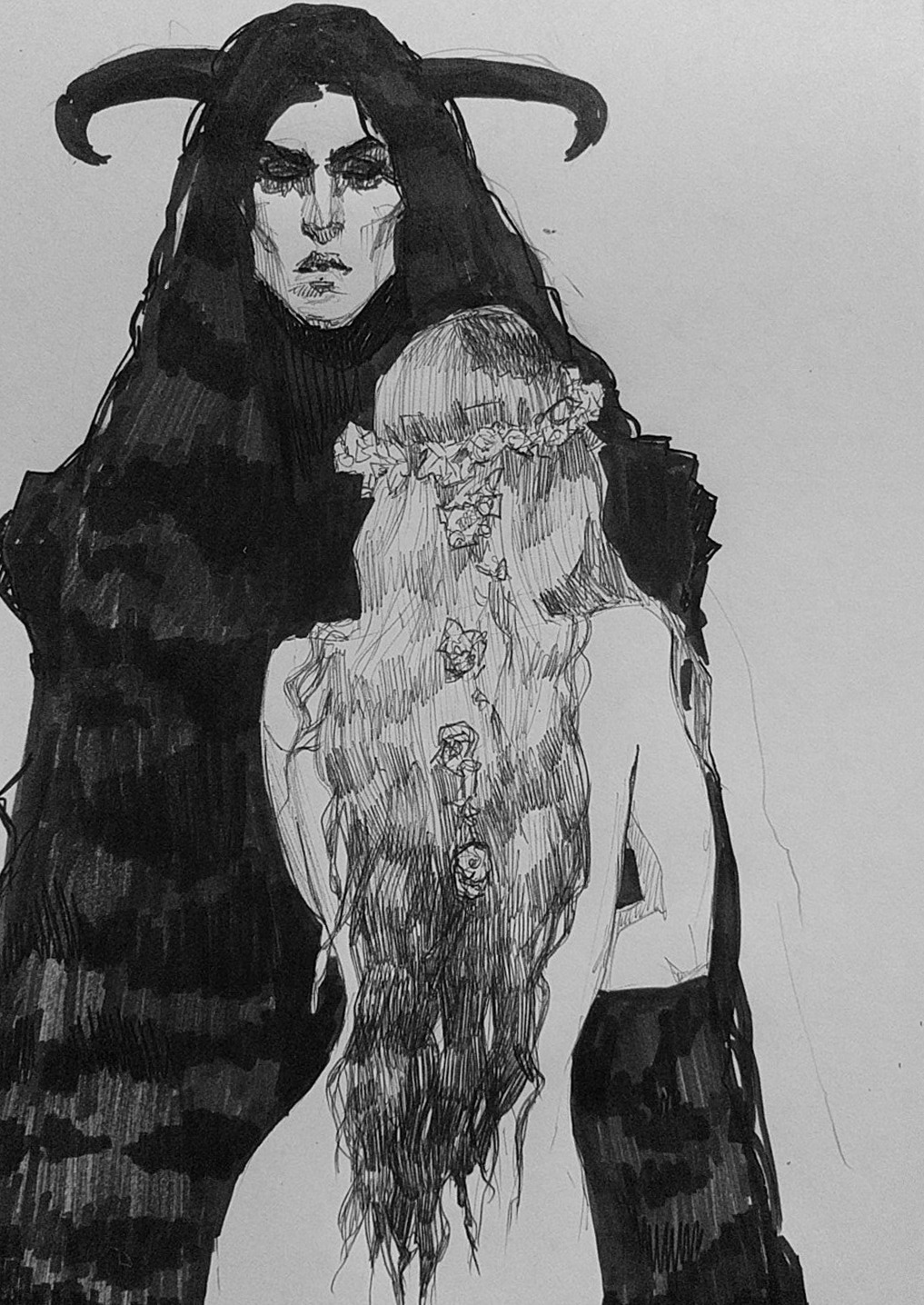
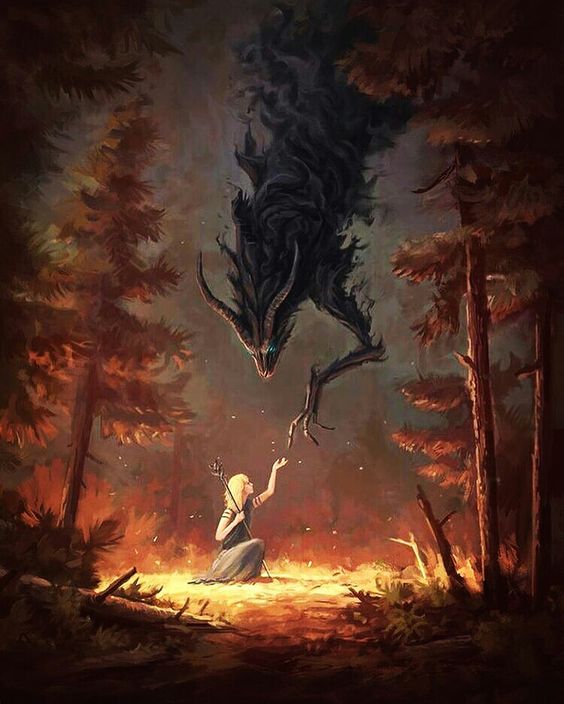
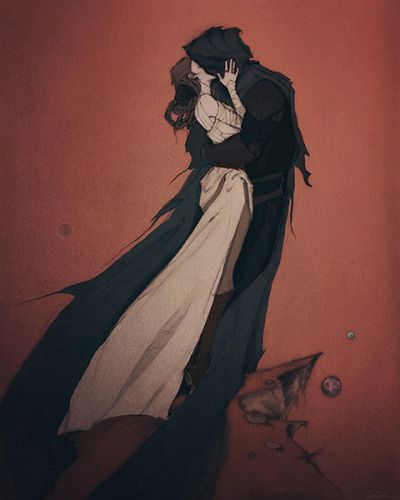
This picture reminds me of the main characters from my current WIP, metaphorically.







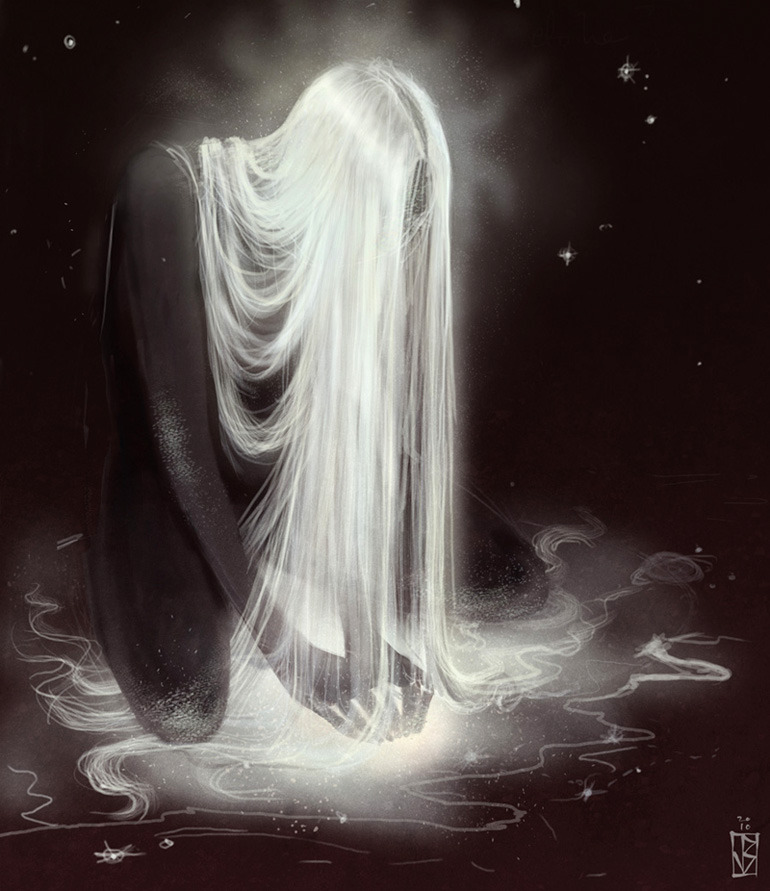

 By Autumn Rain